
News · Events
From Intelligence to Impact: Highlights from ChemPartner Discovery Day 2026
A day of keynotes, candid debate on the practical limits of AI, and open scientific conversation marked the first anniversary of the ChemPartner Boston Center of Excellence.
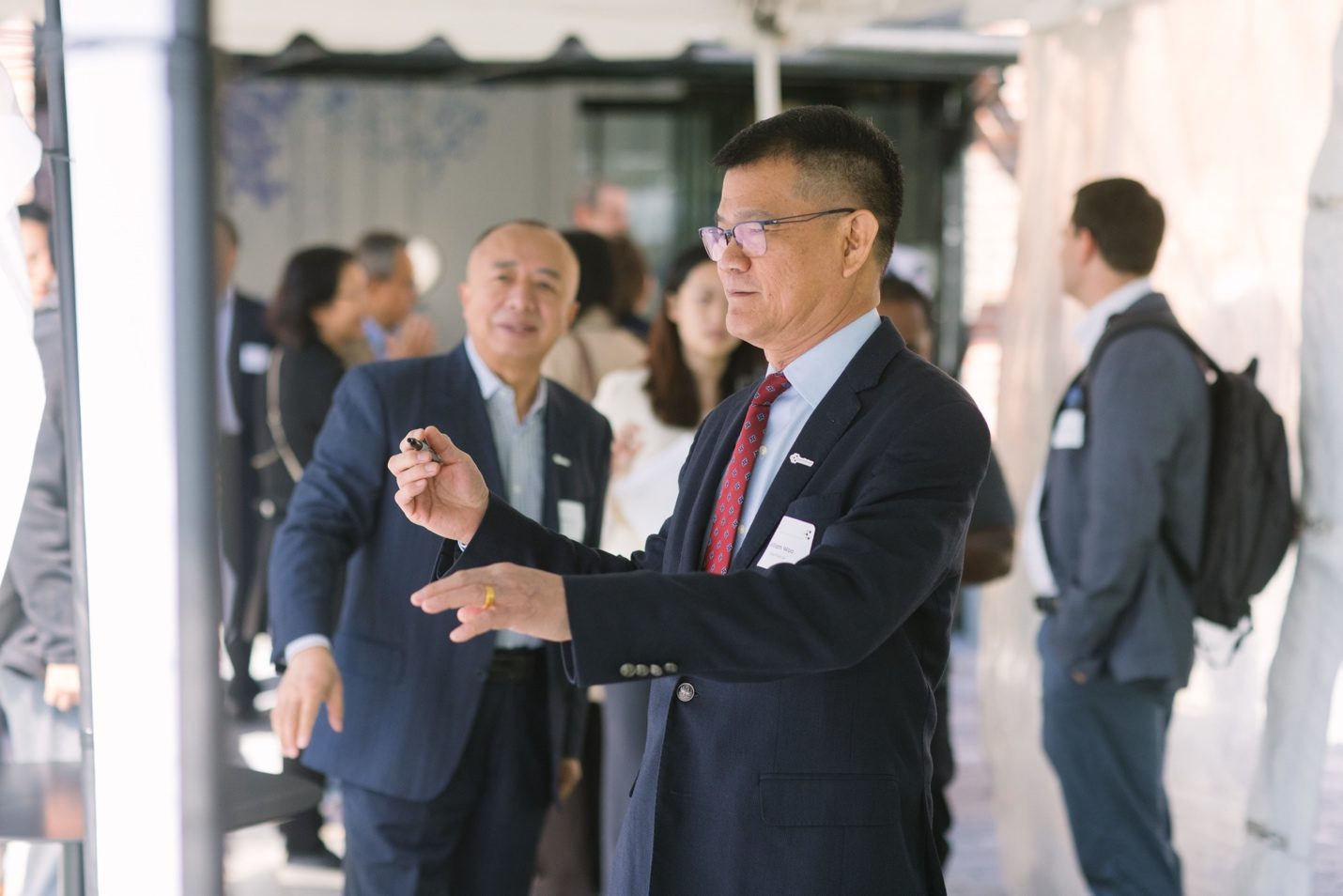
On September 24, 2026, ChemPartner hosted Discovery Day 2026 in Watertown, Massachusetts, marking the first anniversary of the ChemPartner Boston Center of Excellence. Held at Alexandria Hub Conference Center, the event carried the theme “From Intelligence to Impact: AI-Enabled Drug Discovery” and brought together more than 100 leaders from pharma, biotech, academia, investment, and government. Discussions focused on how artificial intelligence, new therapeutic modalities, and enabling technologies can turn scientific insight into real benefit for patients.
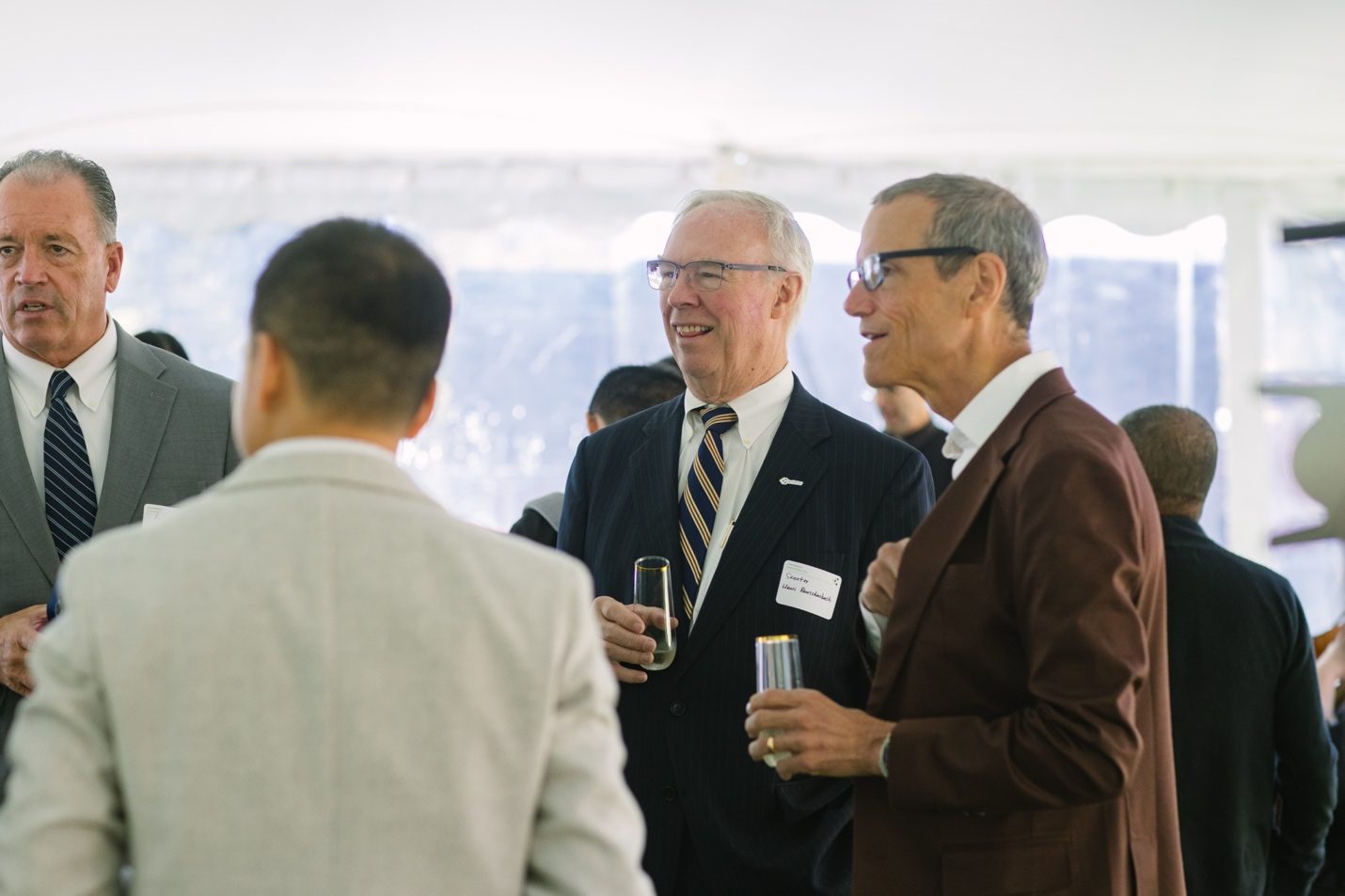
The day opened with an anniversary celebration in the morning, followed by an afternoon scientific program. In the late afternoon, guests continued the conversation at six Discovery Lounges with ChemPartner scientists and business leaders, alongside a cocktail reception.
Anniversary Celebration
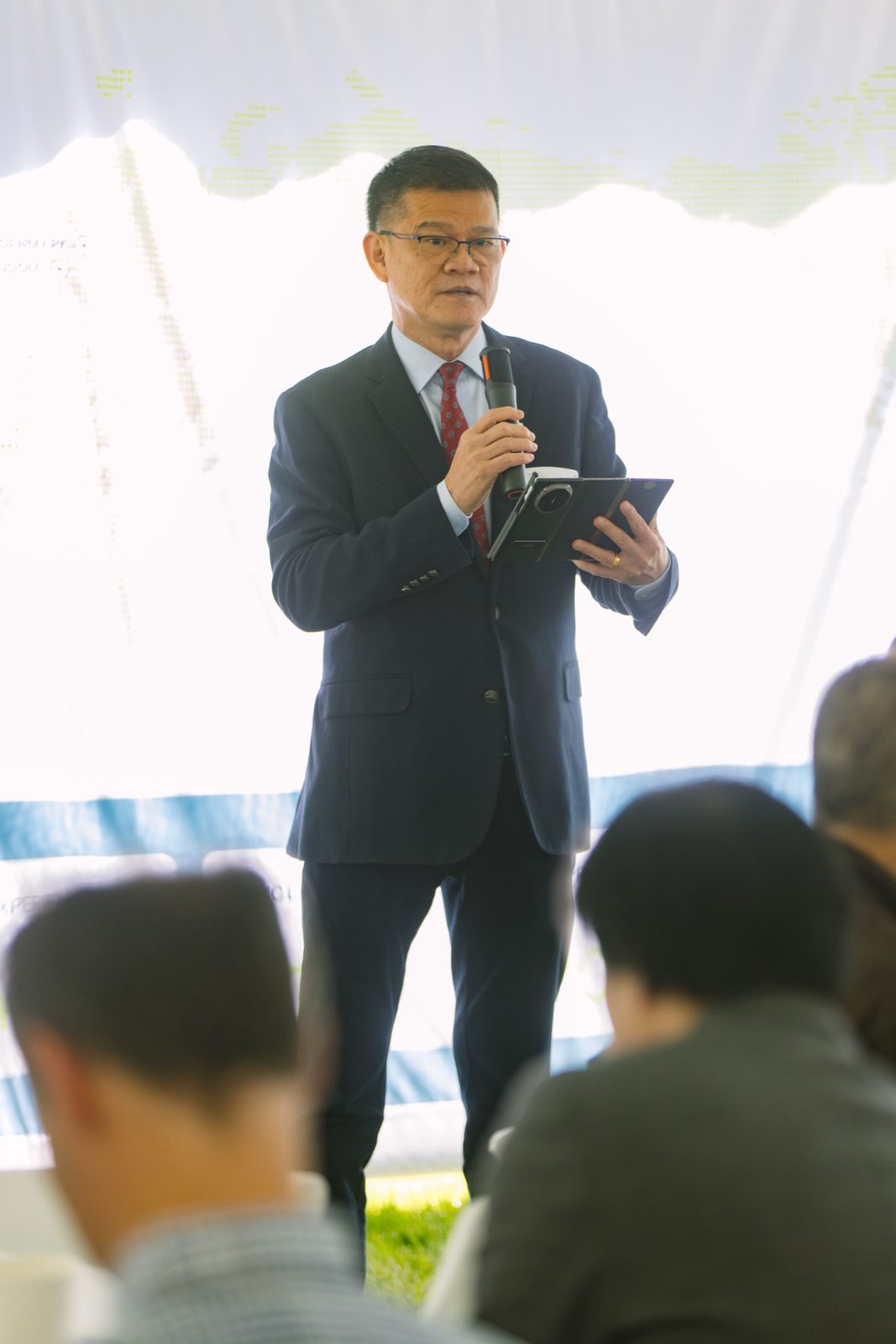
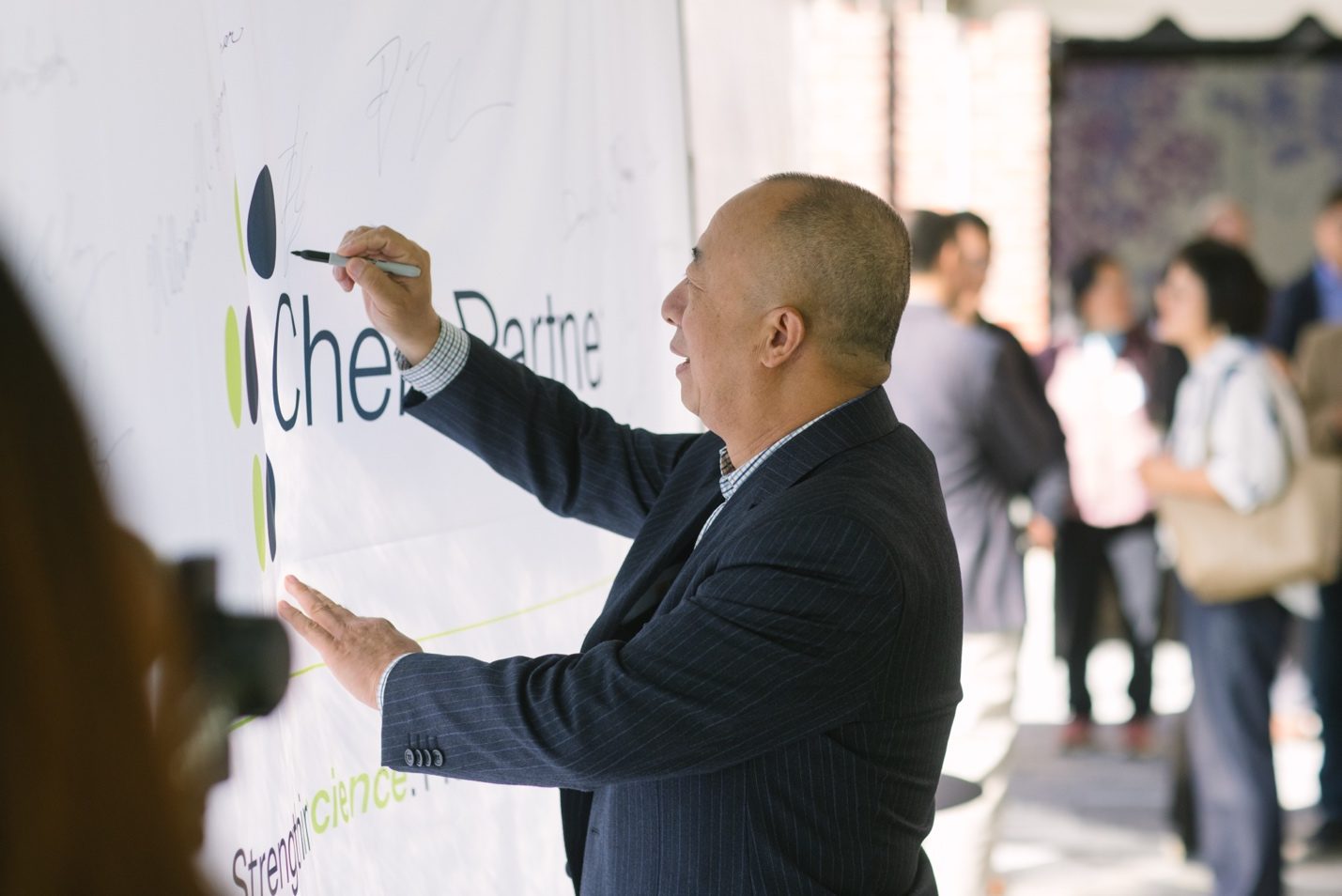
The program opened with a celebration of the Boston Center of Excellence’s first year. Dato’ William Woo, Chairman and CEO of ChemPartner, welcomed guests and reflected on the company’s Boston presence, scientific mission, partnerships, and future direction.
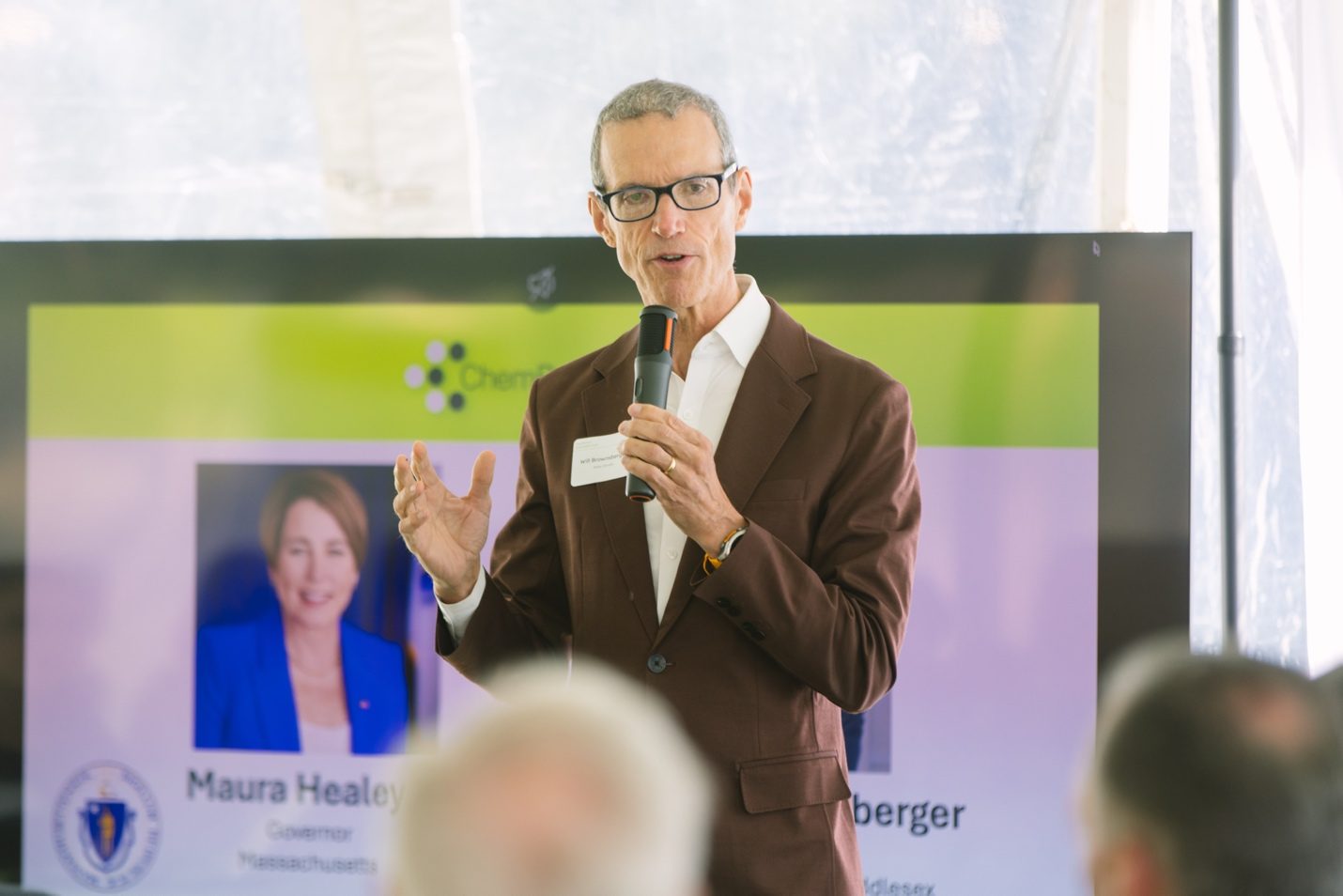
Massachusetts State Senator William N. Brownsberger recognized ChemPartner’s contribution to the Commonwealth’s life sciences ecosystem. Mr. Michael Yin, CEO of BioBay, spoke about the partnership between ChemPartner and BioBay and their shared commitment to biotechnology innovation.
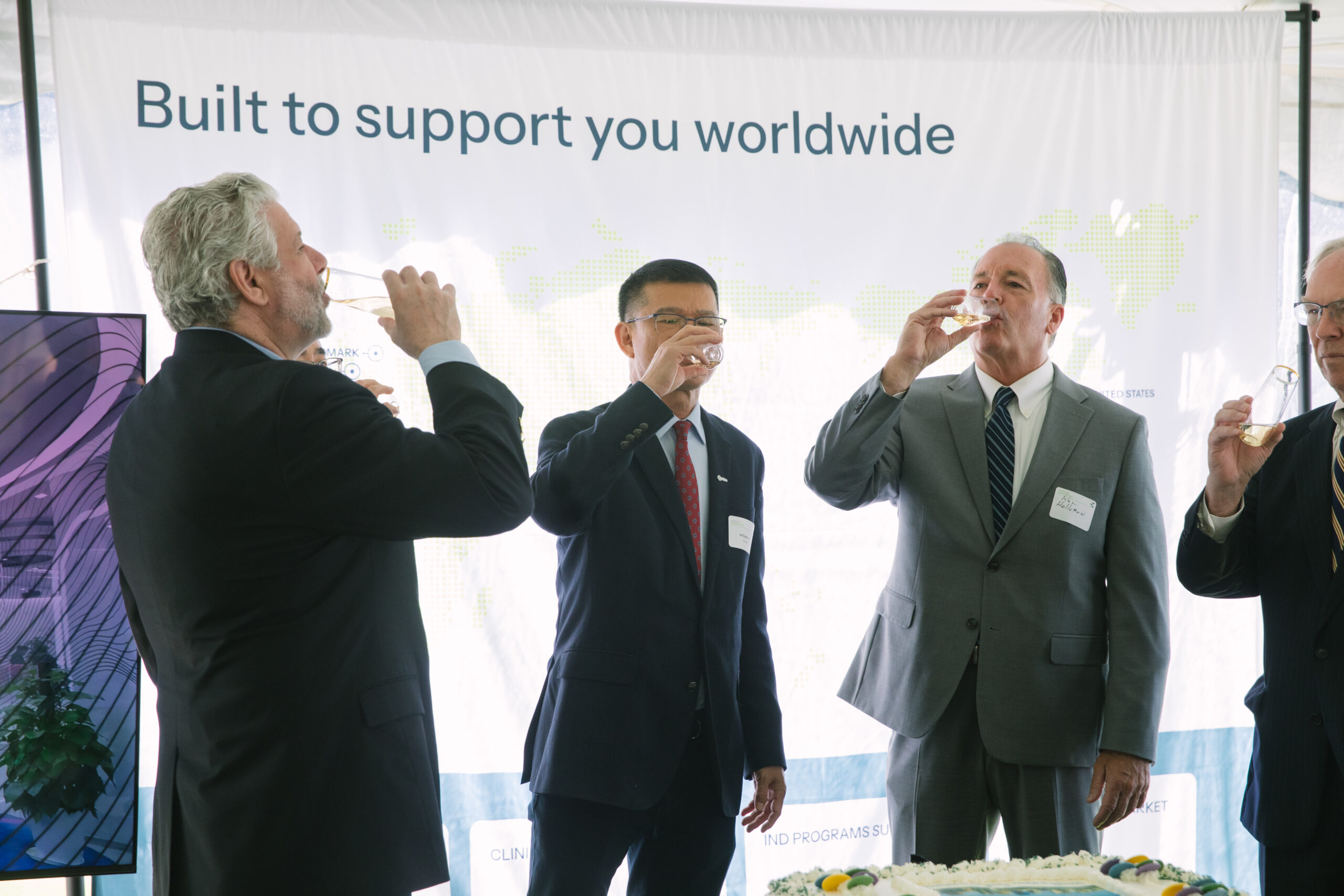
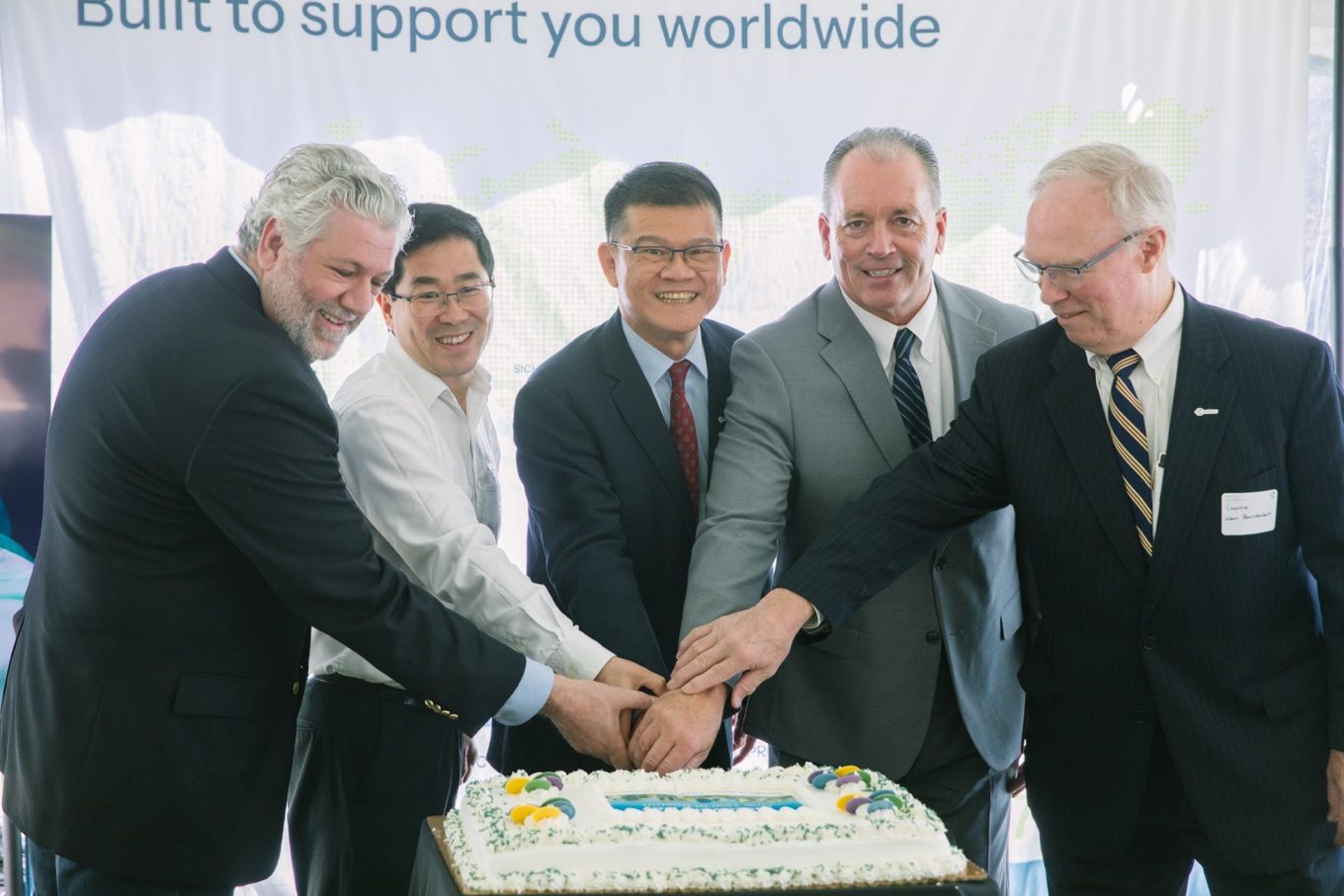
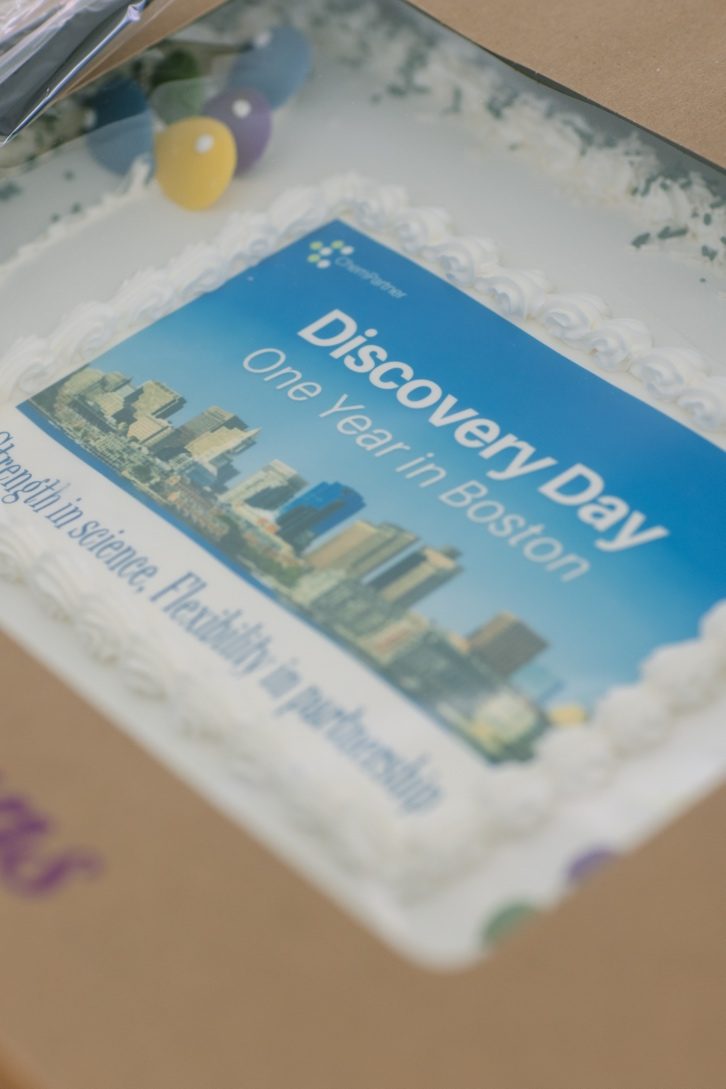
Following a performance by a violin and cello duo, company leaders and public officials cut the anniversary cake and opened champagne.

Opening Keynote
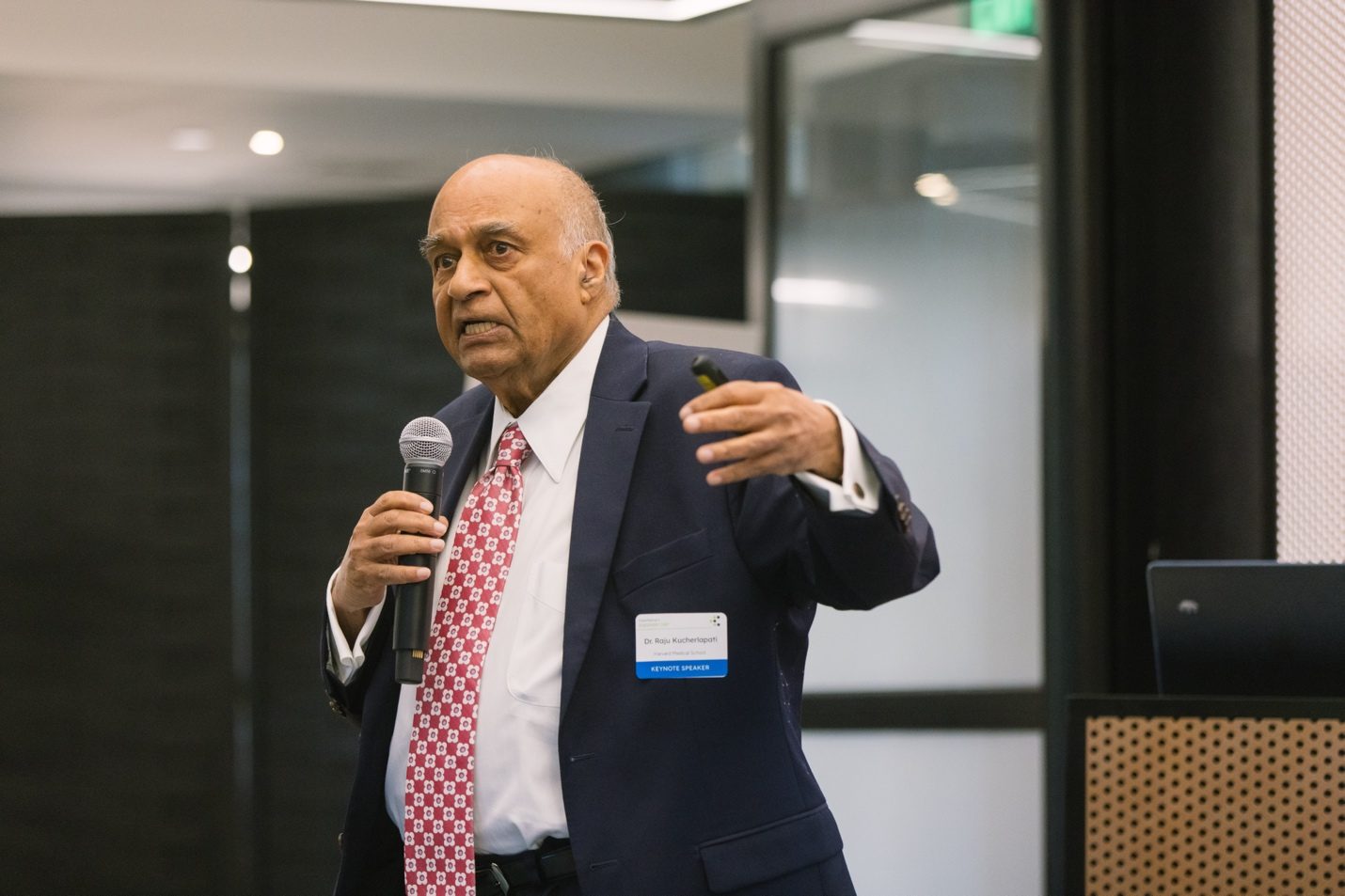
After a networking lunch, the scientific program began with an opening keynote by Dr. Raju Kucherlapati, Paul C. Cabot Professor of Genetics at Harvard Medical School, titled “AI in Cancer Precision Medicine.”
Dr. Kucherlapati explored how genomic, clinical, and pathology data, combined with AI, can help identify people at risk, detect cancer earlier, and guide more precise treatment decisions. He highlighted the growing number of treatments guided by tumor genetics, while noting the challenge of keeping variant information current. Further progress, he said, will depend on larger datasets that link patient profiles to treatment outcomes, and on broader access to clinical trials.
Executive Panel
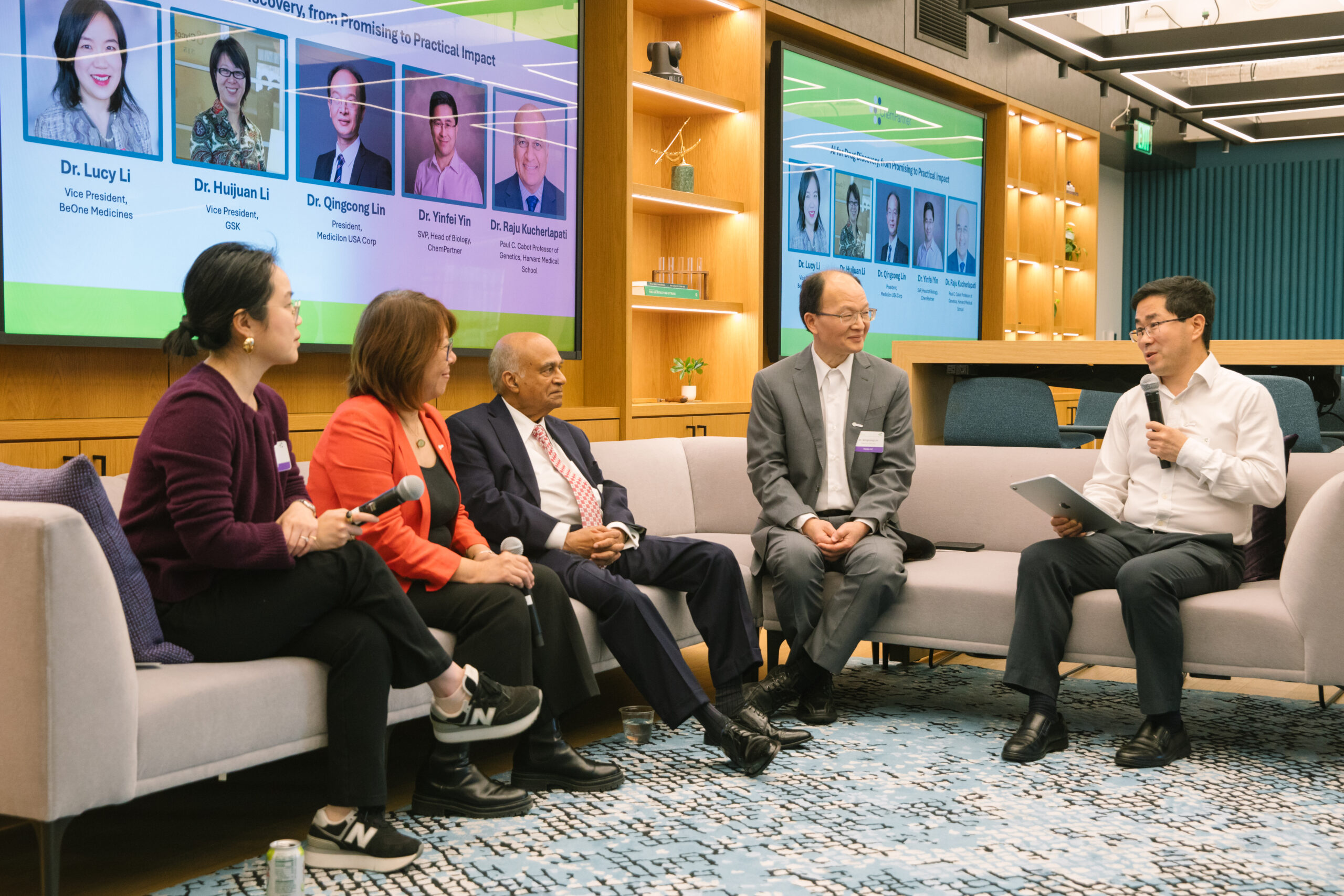
The keynote was followed by an executive panel on “AI in Drug Discovery: From Promise to Practical Impact.” Panelists from academia, pharma, and the CRO industry discussed where AI is creating real value, what it takes to trust its output, and how it will reshape the relationship between drug developers and their research partners.
Panelists
- Dr. Raju KucherlapatiPaul C. Cabot Professor of Genetics, Harvard Medical School
- Dr. Lucy LiVice President of Strategic Partnerships, BeOne Medicines
- Dr. Huijuan LiVice President and Global Head of Analytical R&D, GSK
- Dr. Qingcong LinPresident, Medicilon USA Corp.
Moderator
- Dr. Yinfei YinSenior Vice President, ChemPartner
In a light moment, Dr. Yin noted that Dr. Lin had trained in Dr. Kucherlapati’s lab, making the panel a reunion of teacher and student.
Five Key Takeaways
- 01
AI can change both the time and the cost of drug development.
Dr. Kucherlapati pointed to the two biggest problems in the field: it can take around 15 years to bring a drug to market, and the average cost is estimated at more than $2.5 billion. He argued that AI has the potential to change both, and should be applied across the full spectrum of healthcare rather than to a single step. Developers now want far more data on every molecule, from RNA-seq and single-cell profiles to metabolomics; he cited one company that had made 500 molecules measured across 80 parameters, far more than any person could weigh without AI.
- 02
Connected data matters more than more data.
Dr. Huijuan Li said the real challenge is not the amount of data but the linkage between data capture, data flow, analysis, and models that feed back into knowledge. More structured and consistent data trains more consistent models, but experts still need to review the data and confirm that a model’s hypotheses hold.
- 03
AI will create more work for CROs, not less.
Dr. Lin countered the idea that AI will disrupt CROs. As AI generates more hypotheses and virtual hits, partners need CROs to design the right assays and models to test them and feed the results back. The CRO’s role is shifting from data provider to an integrated member of the scientific team. Quality still depends on people: even a billion-compound virtual library is only as good as its design.
- 04
Competitive advantage comes from biology and your own data.
Dr. Lucy Li said AI has democratized access to many tools, so companies should benchmark their internal data and models against the best in the industry and invest where they can truly be different. Data cleaned and organized intentionally becomes a lasting asset. She expects AI to take over much of drug engineering and optimization, while the harder, unmeasured problem is choosing the right disease biology in the first place.
- 05
Validate AI, and keep learning.
Dr. Huijuan Li described how regulators are already accepting predictive models and prior knowledge, such as using early stability data to project a commercial shelf life, as long as sponsors confirm predictions with real data. Dr. Lucy Li warned that AI tools tend to give consensus answers, while “science can never be consensus based; it should be proved by real data,” and encouraged the audience to ask AI to challenge their assumptions. Asked what AI means for jobs over the next decade, Dr. Kucherlapati was optimistic that new technology has always raised productivity and created work, and Dr. Huijuan Li’s advice was simple: “learn, adapt, and apply.”
ChemPartner Spotlight I
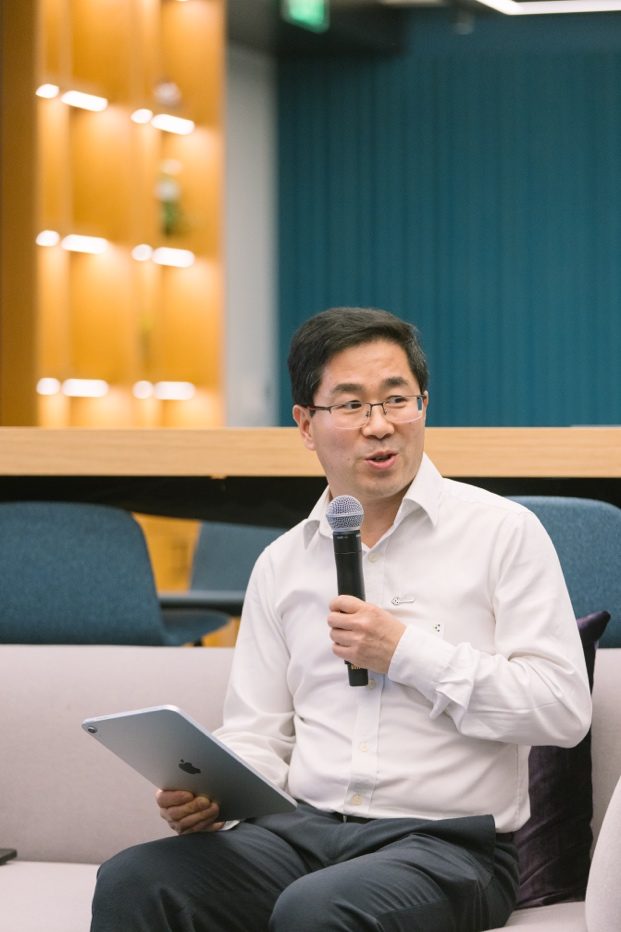
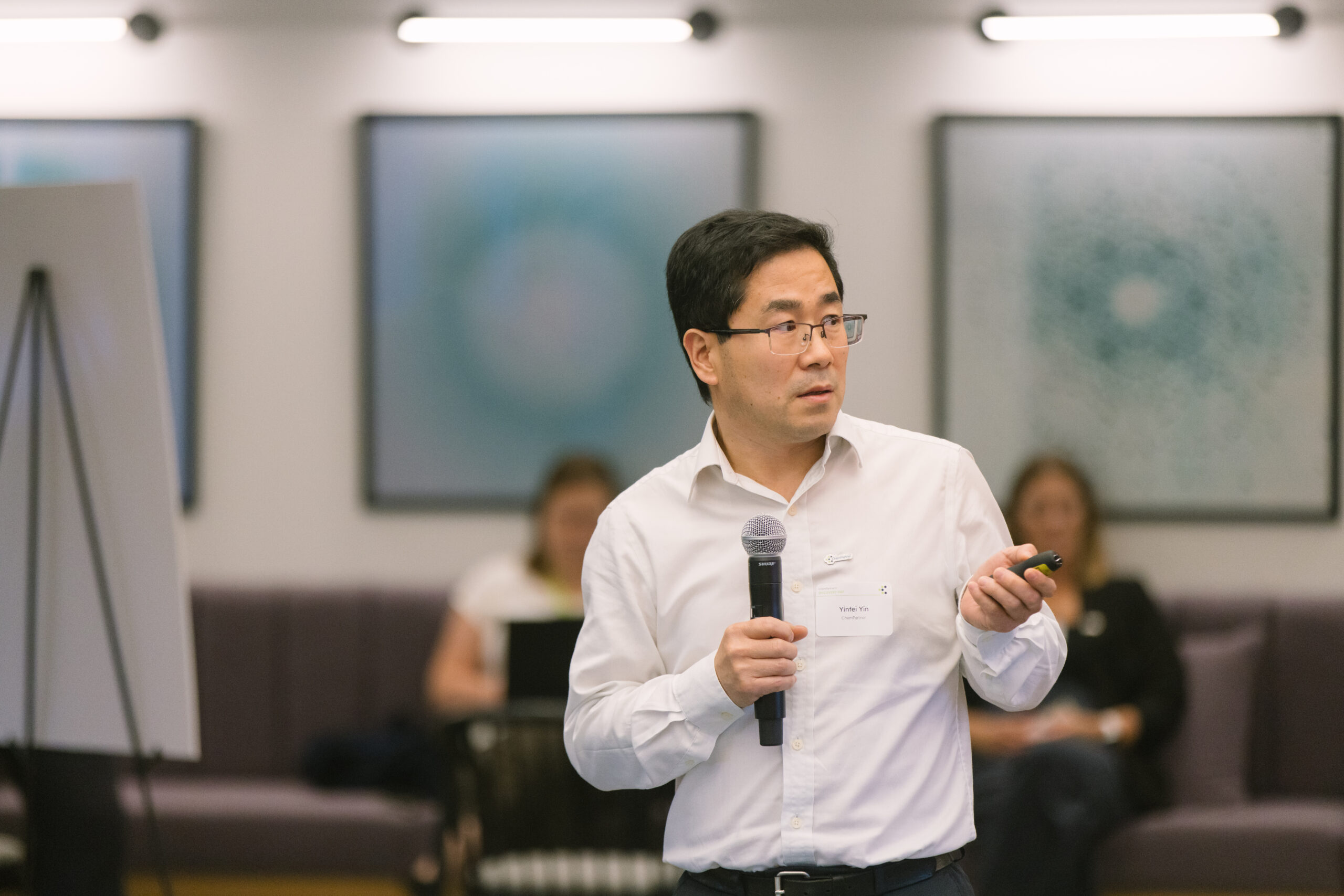
Dr. Yinfei Yin, Senior Vice President of ChemPartner, then presented an overview of ChemPartner’s integrated drug discovery and development capabilities.
Dr. Yin highlighted ChemPartner’s antibody-drug conjugate (ADC) platform, including C2LP, the company’s proprietary linker technology designed to improve stability, enable precise DAR control, and support a range of payloads. Dr. Yin also outlined ChemPartner’s end-to-end ADC services, from antibody and linker-payload through conjugation and evaluation, and introduced XDrug.AI, the company’s AI drug discovery platform built to accelerate target identification. Pairing these AI tools with wet-lab capabilities creates a closed design-make-test-analyze loop that helps partners move programs forward faster.
ChemPartner Spotlight II
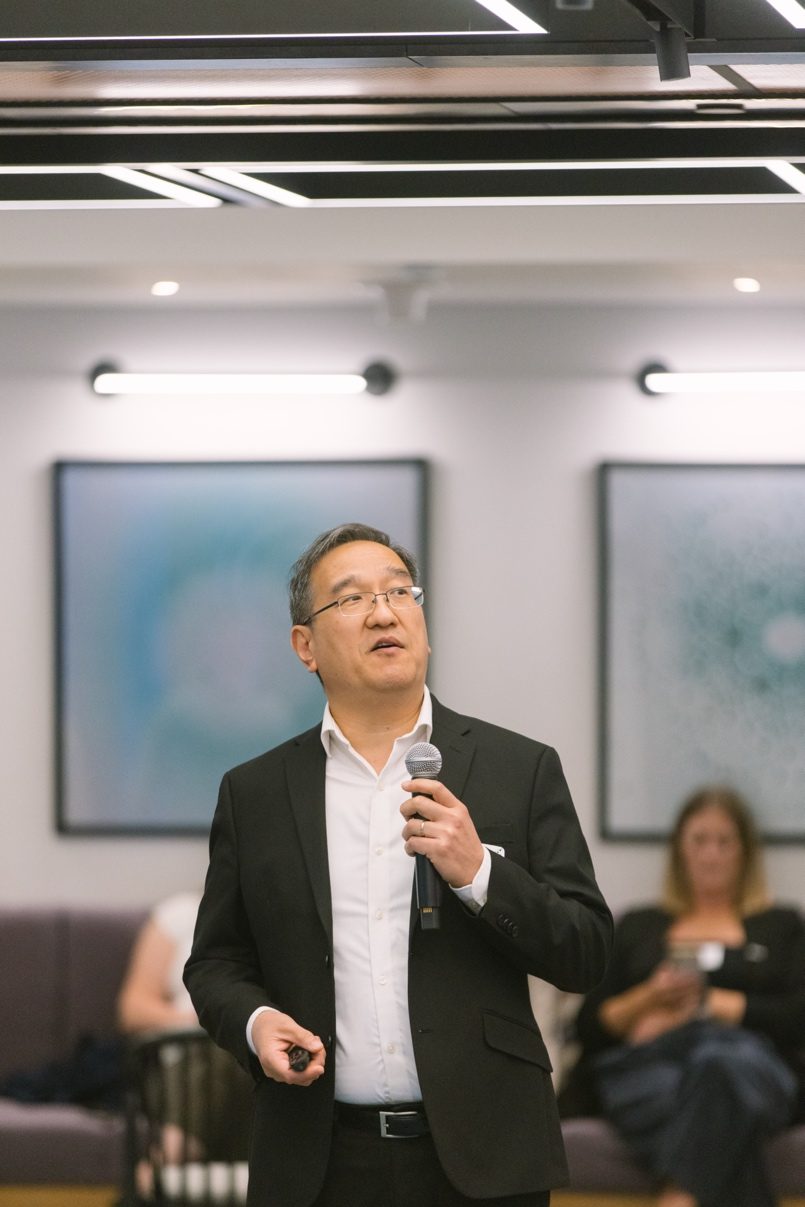
Dr. Baochun Zhang, Assistant Professor at Harvard Medical School, followed with “Revolutionizing Cancer Immunotherapy with Multi-specific Cytotoxic CD4+ T Cells,” sharing new research on multi-specific cytotoxic CD4+ T cells in cancer immunotherapy.
Closing Keynote
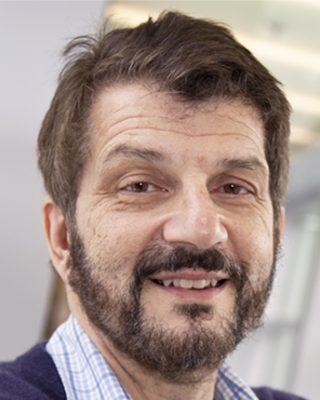
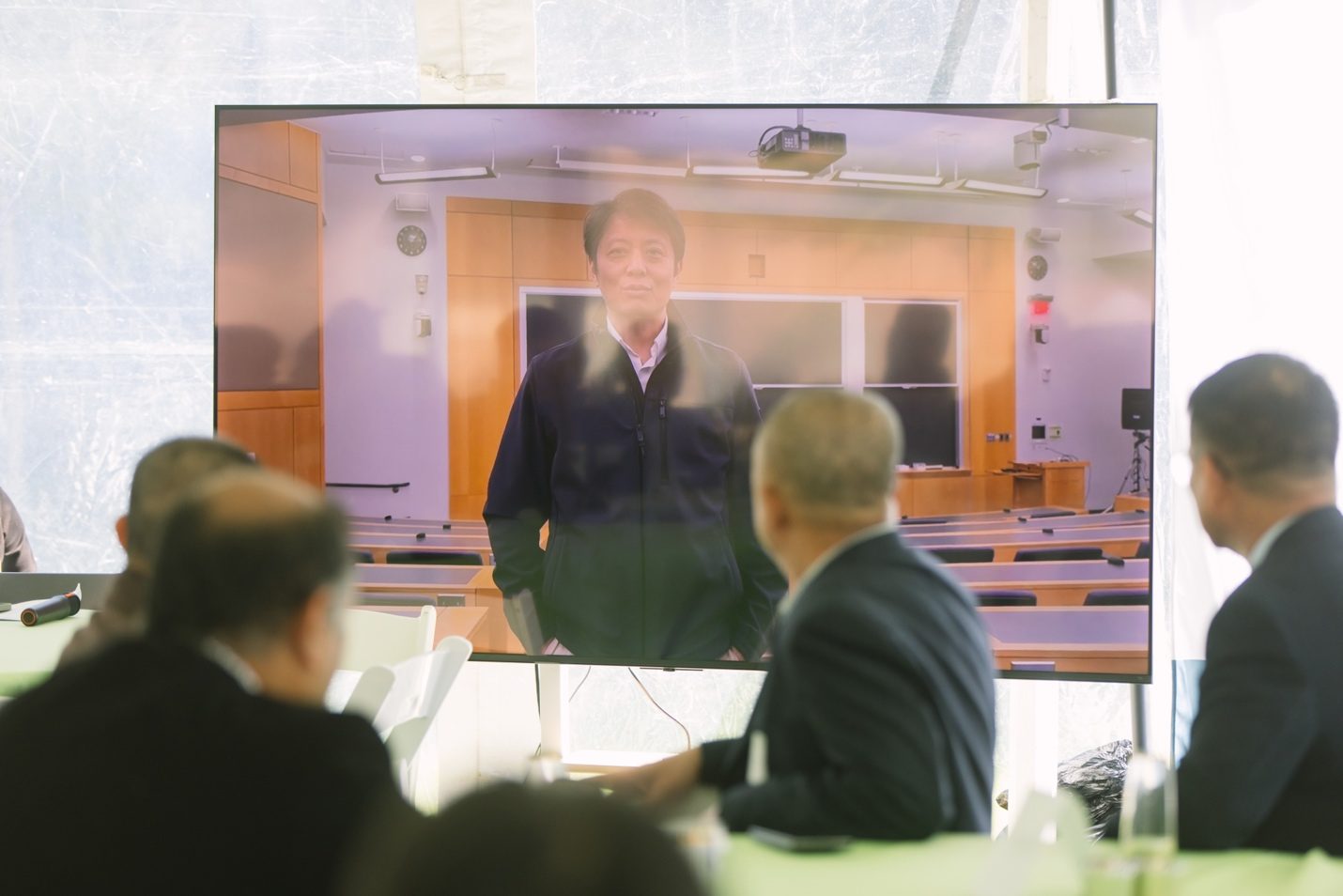
To close the scientific program, Dr. David A. Weitz of Harvard University joined virtually to deliver the second keynote, “Droplet Microfluidics for Ultra-High-Throughput Screening.”
Dr. Weitz explained how droplet microfluidics turns each tiny droplet into an independent microreactor, enabling single-cell analysis and ultra-high-throughput screening. Its applications in antibody discovery and enzyme engineering show how the approach can speed the search for promising candidates, and combined with AI-driven discovery, it could help researchers decide which candidates to test next.
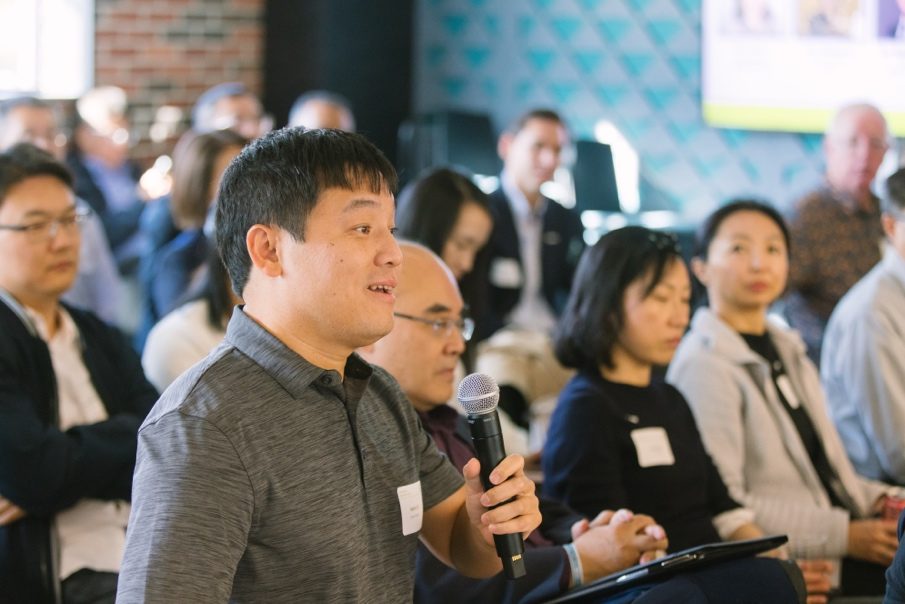
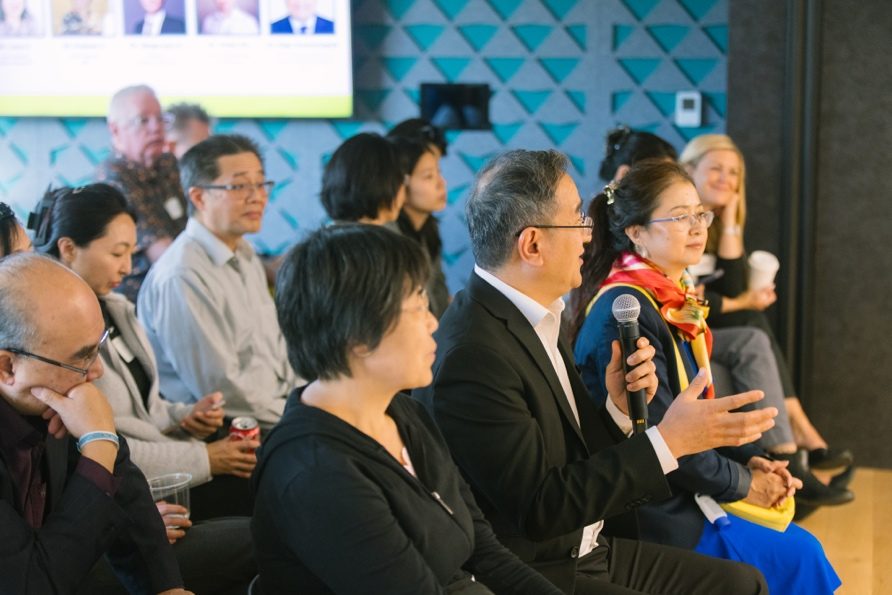
Audience Q&A
Discovery Lounges and Reception
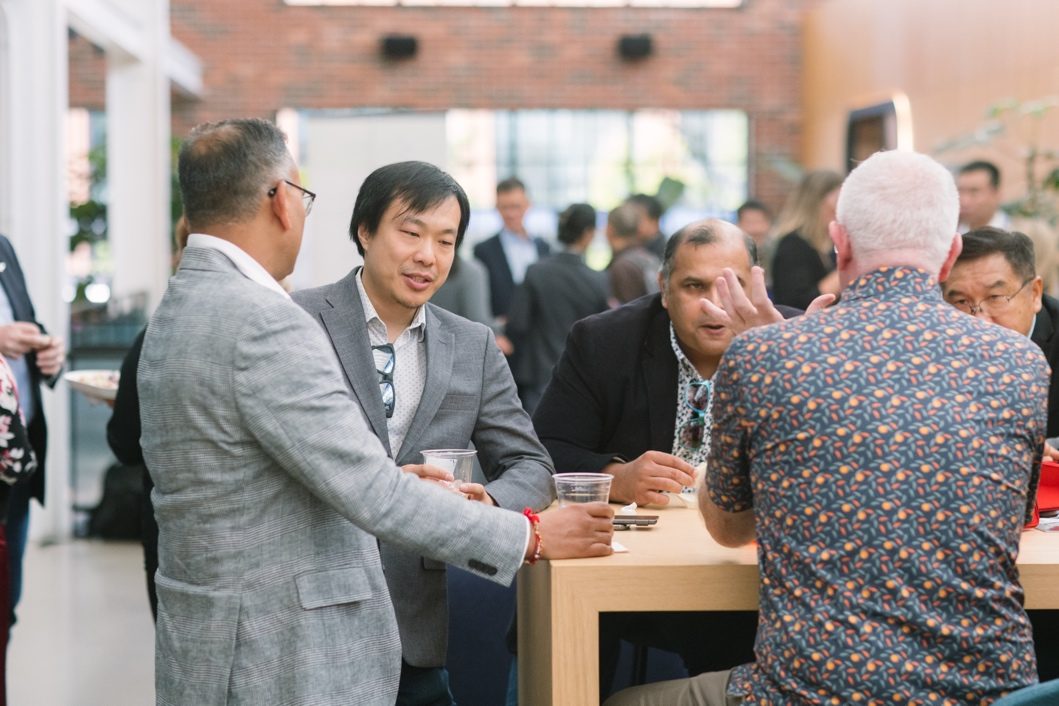
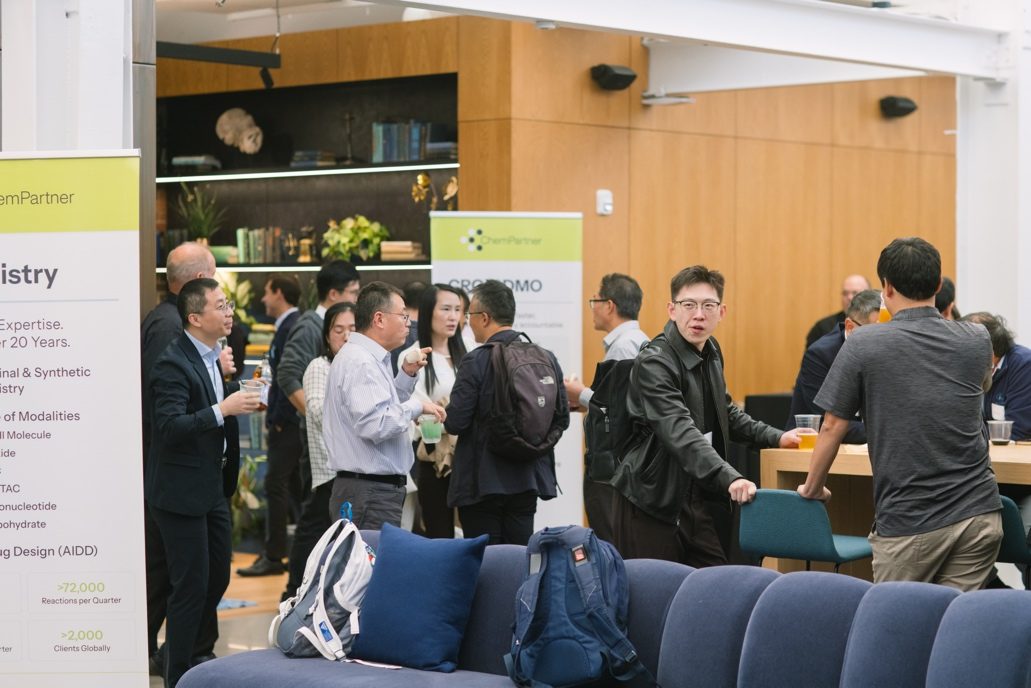
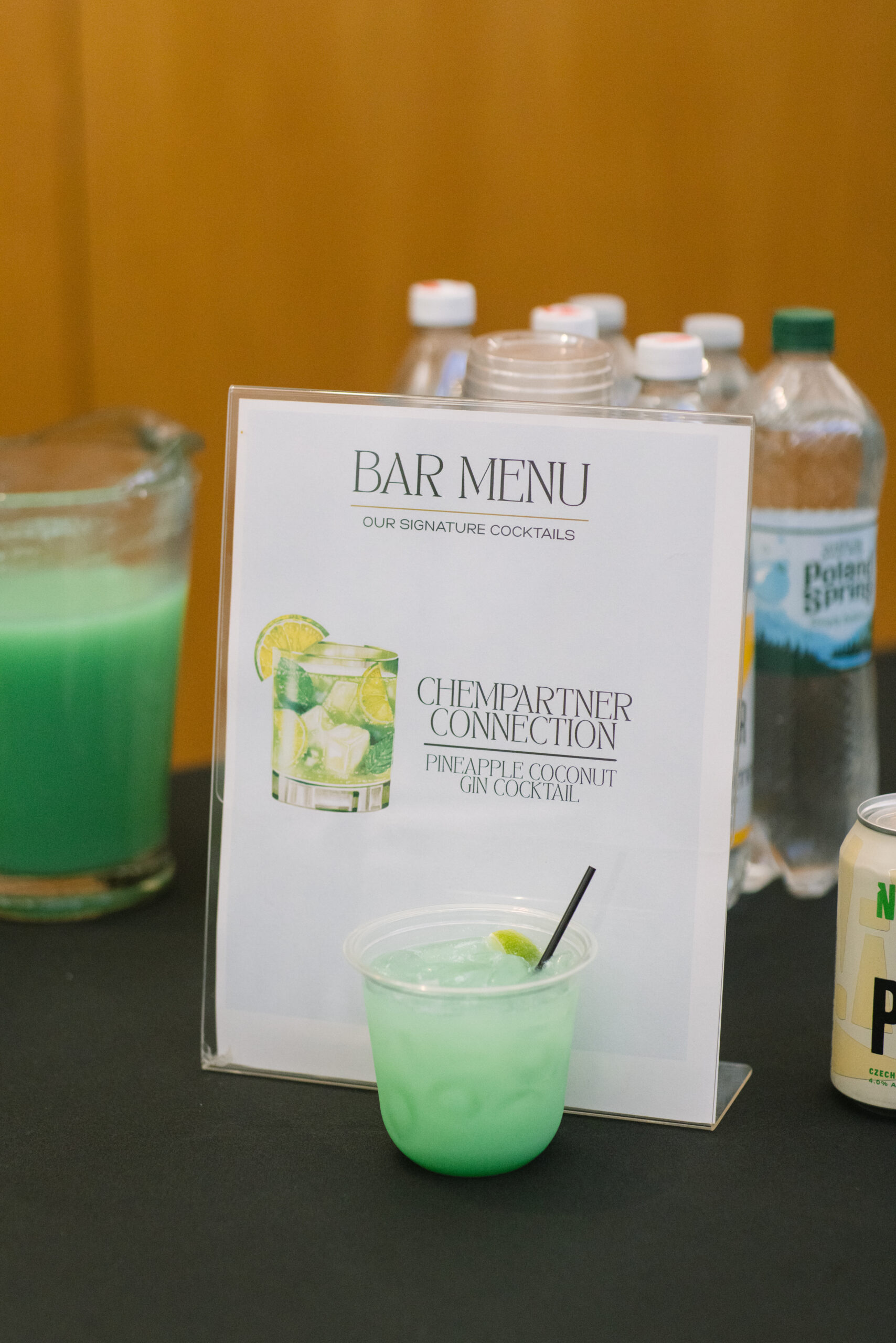
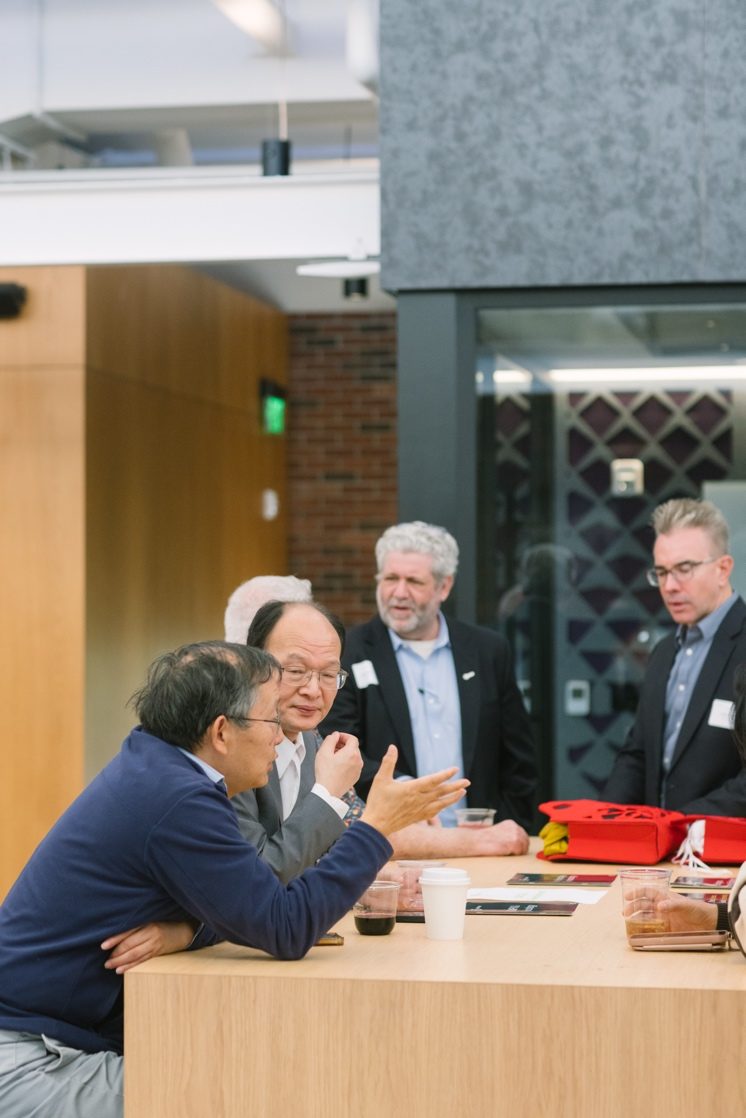
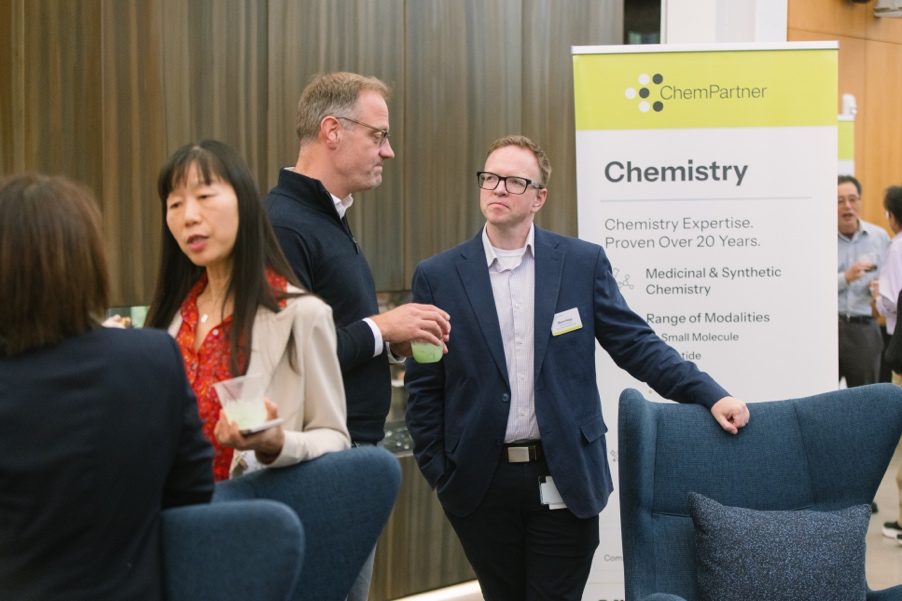
After the talks, guests moved to six Discovery Lounges for one-on-one conversations with ChemPartner scientists and business leads. The lounges covered AI and Data-Driven Discovery, Oncology and Biology, Discovery Chemistry, DMPK and Preclinical Development, CMC and Bioprocess Development, and Strategic Partnerships. A cocktail reception ran alongside the lounges and kept the discussions going into the evening.
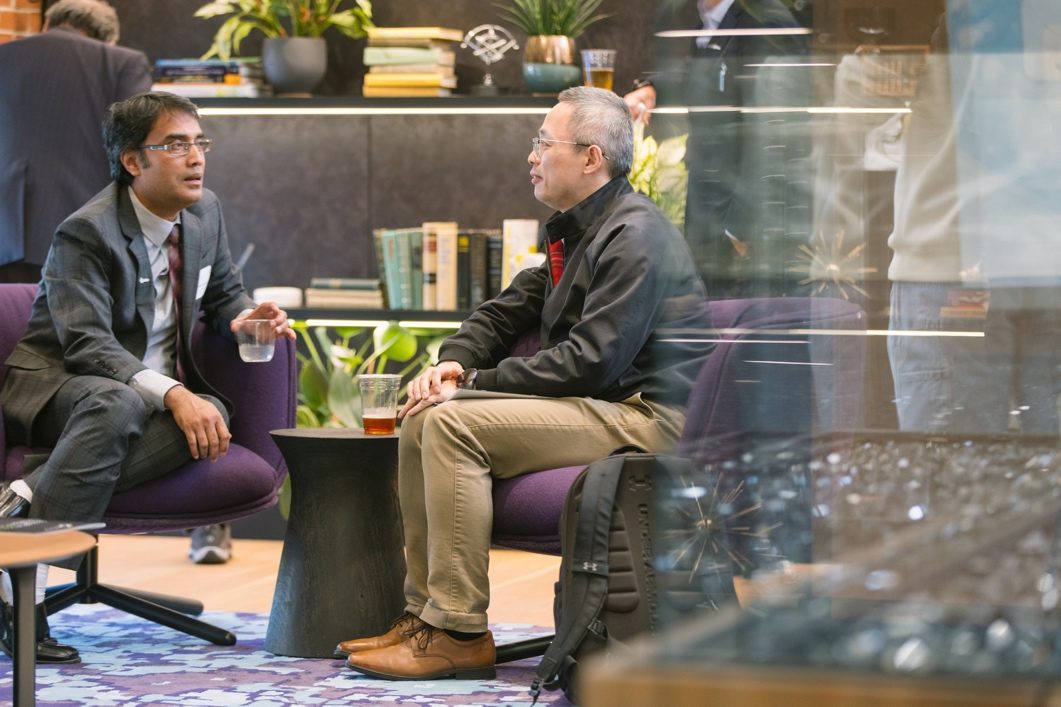
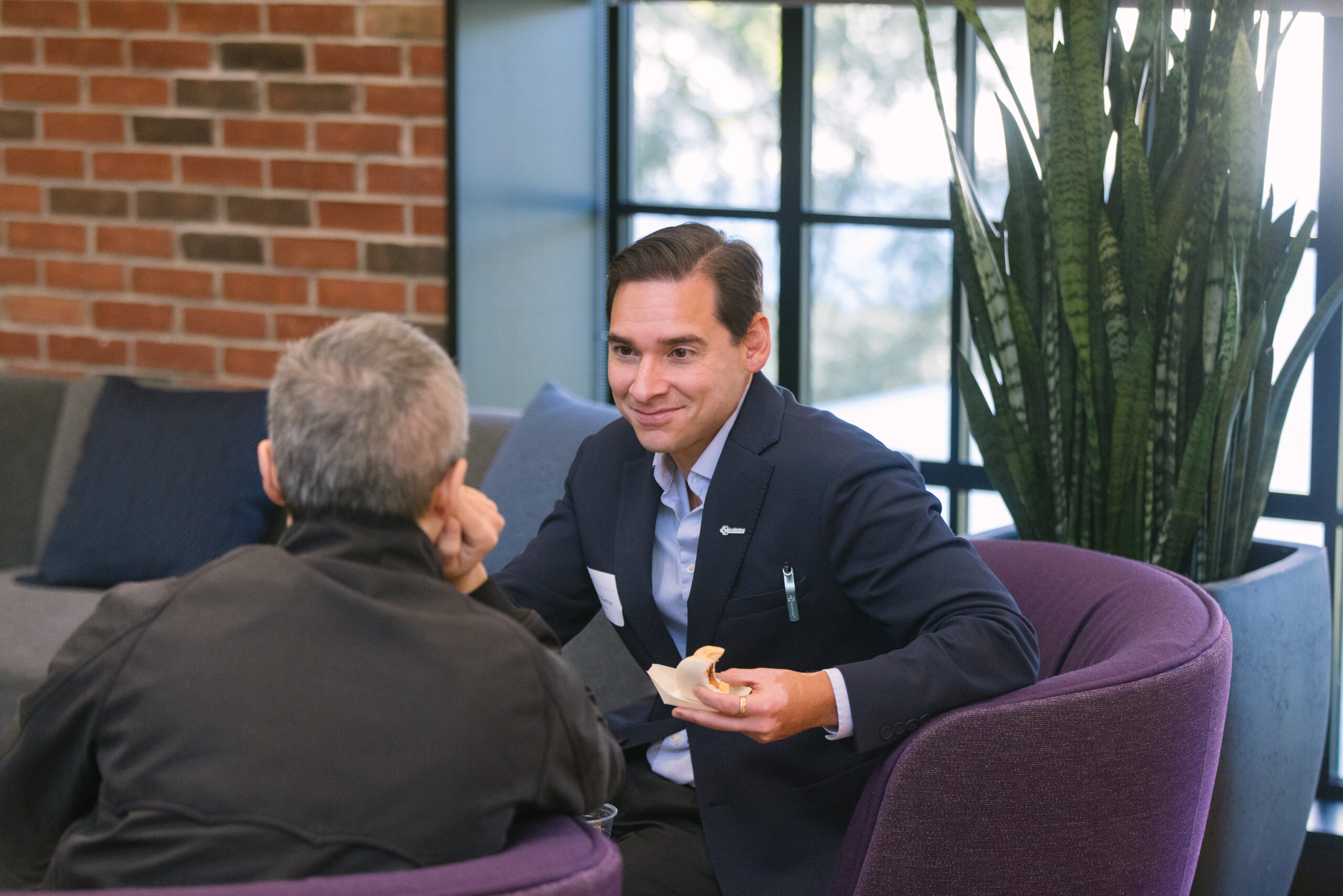
Discovery Lounges and cocktail reception
Closing
Discovery Day 2026 gave guests from industry, academia, investment, and government a forum to exchange ideas, and marked the first year of ChemPartner’s Boston Center of Excellence. The day’s discussions made one point clear: turning intelligence into impact, from AI-enabled discovery to new therapeutic modalities, depends on science, technology, and partnership working together.
Looking ahead, ChemPartner will continue to invest in the Boston life sciences community, strengthen its AI drug discovery, ADC, and other core platforms, and work with partners around the world to bring new therapies to patients faster.
Event Gallery
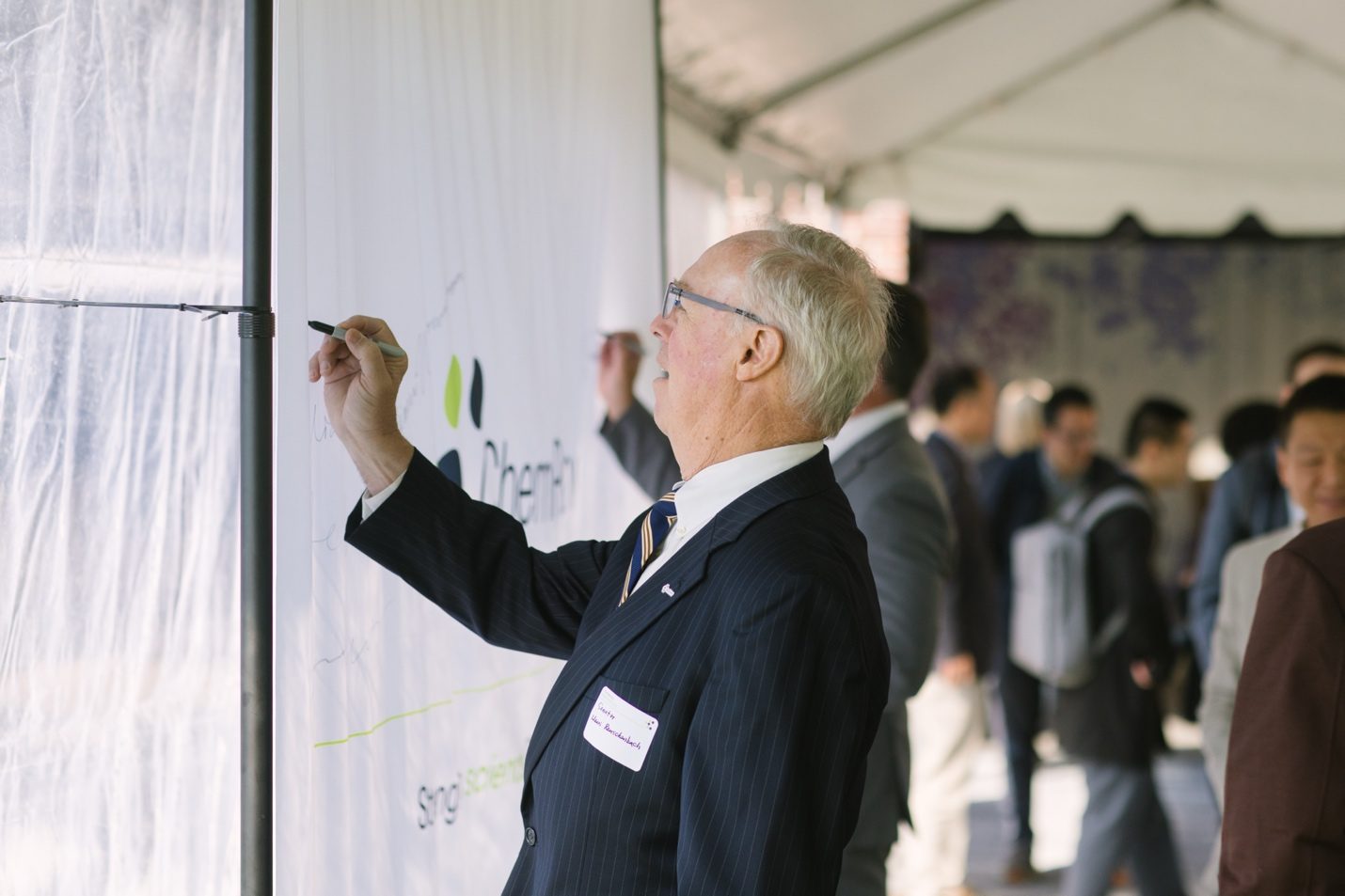




Swipe or scroll to view more photos
