


Antibody Drug Conjugate (ADC) Development Services
Custom linker-payload design, conjugation, characterization, and translational support to advance ADCs and XDCs from concept to preclinical readiness.
Antibody-drug conjugates require coordinated expertise across antibody biology, synthetic chemistry, conjugation strategy, analytical characterization, pharmacology, DMPK, and early safety evaluation.
ChemPartner provides an integrated ADC/XDC development platform to help biopharma teams.
Focusing on design, generate, screen, optimize, and advance conjugated candidates with speed and scientific rigor.
Your End-to-End Partner for ADC Development
Integrated expertise, proven scale, and modality breadth for ADC/XDC discovery and early development.
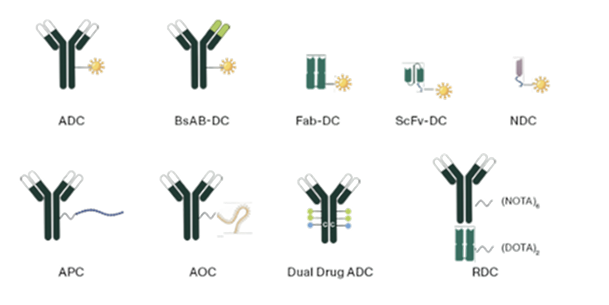
Coverage across established and next-generation conjugate formats
One integrated team from early research through IND-enabling studies and beyond, without vendor handoffs
Integrated ADC/XDC Development from Discovery to IND
ChemPartner supports ADC and XDC programs through a connected development workflow spanning antibody optimization, linker-payload design, conjugation, characterization, translational evaluation, and development support. A connected platform to design, screen, optimize, and advance ADC/XDC candidates toward preclinical readiness.
Antibody
Discovery
Antibody Engineering
Linker-Payload Chemistry
Conjugation Development
Characterization & Bioactivity
In Vivo
Evaluation
DMPK & Early
Safety
IND-Ready
Support
Antibody-Drug Conjugate (ADC) Development, From Concept to IND
Chemistry & Conjugation
Design and build ADC/XDC candidates with integrated linker-payload chemistry, conjugation strategy, and process development support.
Linker-Payload Chemistry
Custom Linker-Payload Design for ADC Optimization
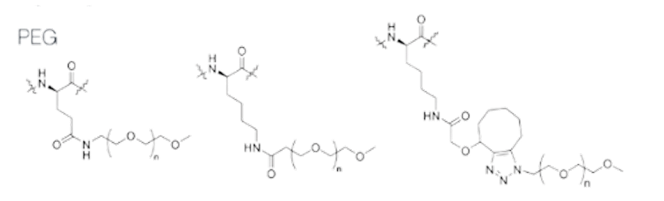
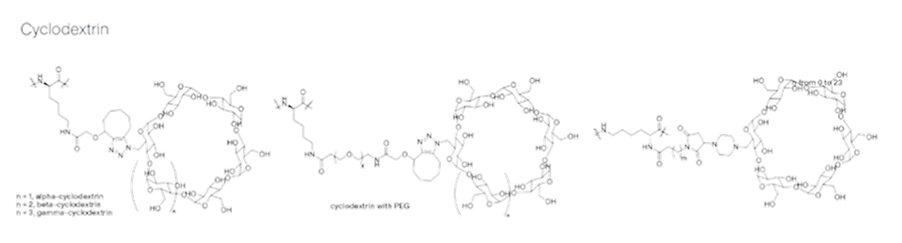
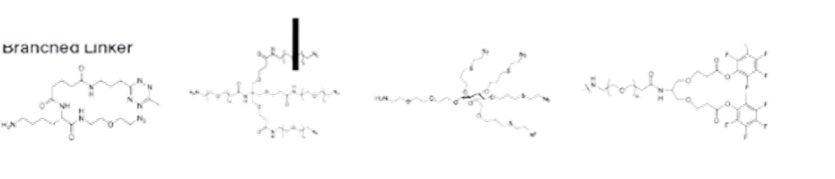
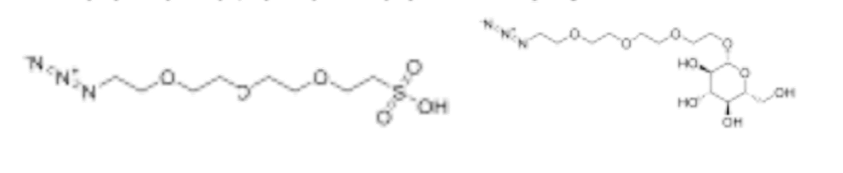
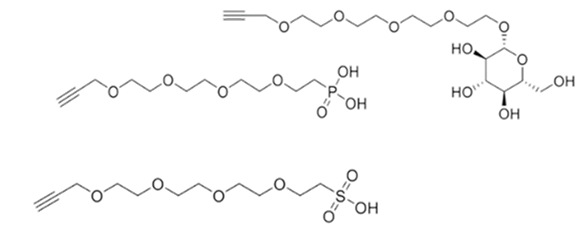
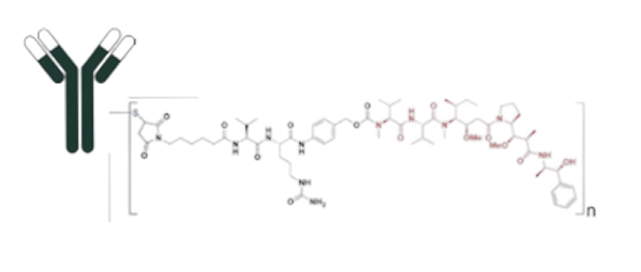
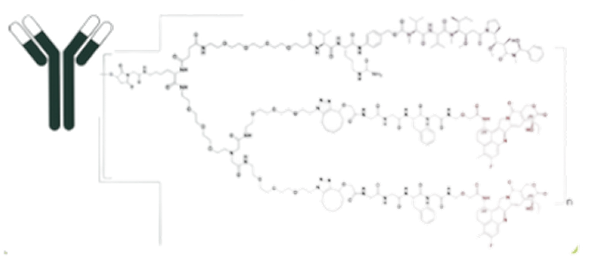
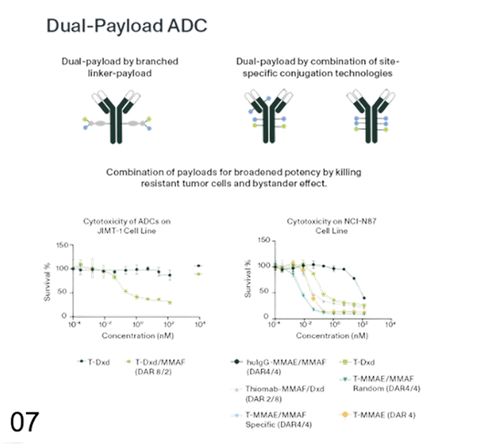
ChemPartner’s chemistry team supports the design and synthesis of custom linker-payload systems, including hydrophilic linkers, charged linkers, branched multi-drug linkers, click chemistry handles, and bioorthogonal linker strategies.
Our linker-payload chemistry capabilities are designed to help optimize ADC potency, stability, hydrophilicity, DAR, payload release, and manufacturability across diverse target and payload strategies.
Bioconjugation and Process Development
Flexible Conjugation Strategies for Conventional and Next-Generation ADCs
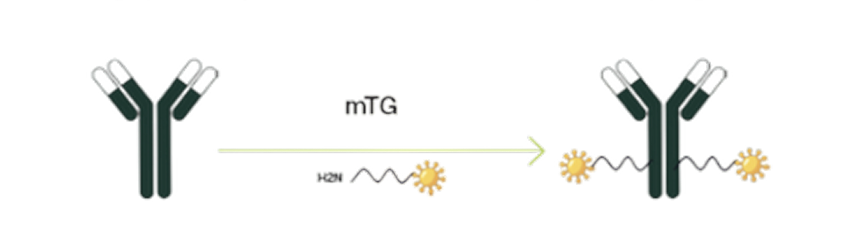
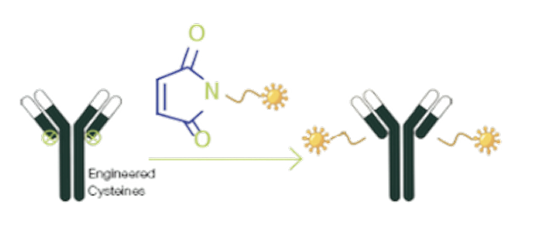
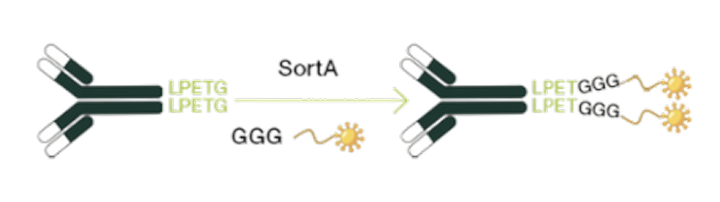
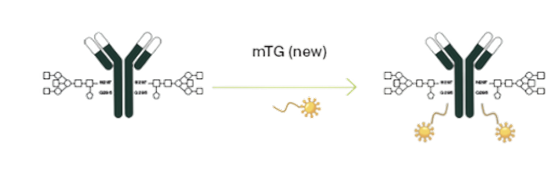
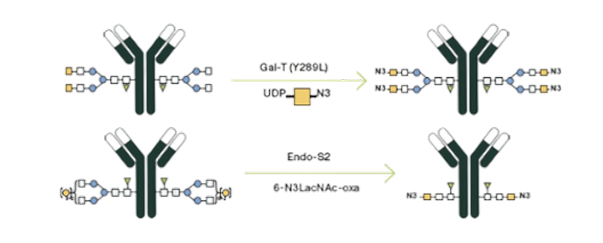
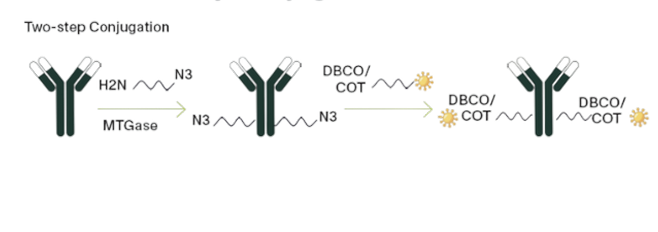
With over 15 years of ADC drug conjugation and process development experience, ChemPartner delivers both chemical and enzyme-catalyzed site-specific conjugation across a broad range of formats from random to fully site-specific. Our capabilities span lysine, cysteine, Thiomab, mTG- and Sortase A-catalyzed, glycan, click chemistry, and multi-drug conjugation approaches.
From early feasibility batches to process development, our team supports conjugation strategies tailored to each program’s biology, payload, DAR target, and developability requirements across conventional ADCs and next-generation XDCs.
High-Throughput ADC Conjugation
Screen More ADC Designs, Faster
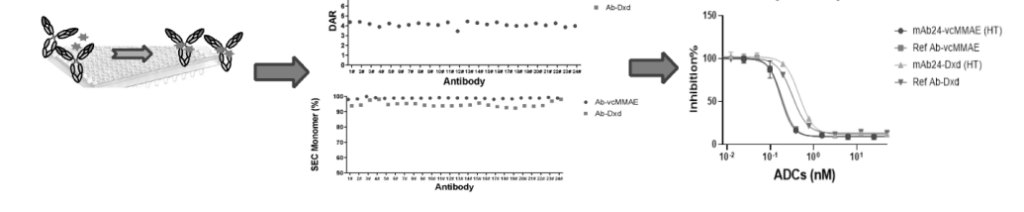
ChemPartner’s high-throughput ADC conjugation platform enables the preparation of up to 96 candidates per batch at microgram scale, with consistent DAR performance and high quality throughout.
Designed for rapid ADC screening and optimization, it supports hybridoma-derived antibodies and streamlines early-stage development workflows, reducing both timeline and resource demands.
Feature Procedure
Lorem ipsum dolor sit amet consectetur. Vitae dolor at hac viverra.
Advantages
Assay development, hit finding, hit-to-lead, lead optimization, PCC generation, CMC development, DMPK, pharmacology, toxicology, and IND-ready data packages.
Workflow
Lorem ipsum dolor sit amet consectetur. Vitae dolor at hac viverra.
Characterization & Bioactivity
Characterize ADC/XDC quality, consistency, and function with integrated analytical and in vitro bioactivity platforms.
ADC/XDC Characterization
Analytical Confidence from Conjugation to Candidate Selection
ChemPartner’s characterization platform provides comprehensive physicochemical and functional analysis for ADCs and related conjugates, covering candidate quality, consistency, stability, and biological performance to support data-driven optimization and selection.
Key capabilities
In Vitro Bioactivity Characterization
Functional Assays to Connect ADC Design with Biological Activity
ChemPartner supports in vitro ADC functional assays including target binding, internalization, cytotoxicity, bystander killing, ADCC, CDC, and related mechanism-of-action studies.
These assays help confirm whether linker-payload and conjugation design choices translate into functional antitumor activity and candidate differentiation.
Core Assay Capabilities
Assess target engagement, internalization, and cell-killing activity to connect ADC design choices with functional biological performance.
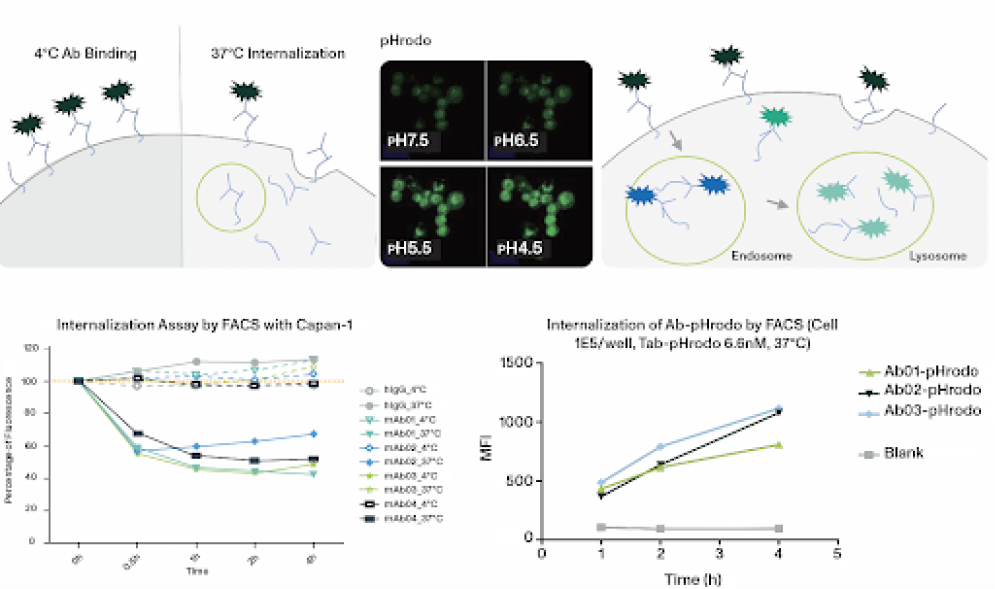
Internalization Assay
Measure antibody or ADC uptake, intracellular trafficking, and lysosomal delivery to assess whether target binding translates into productive internalization.
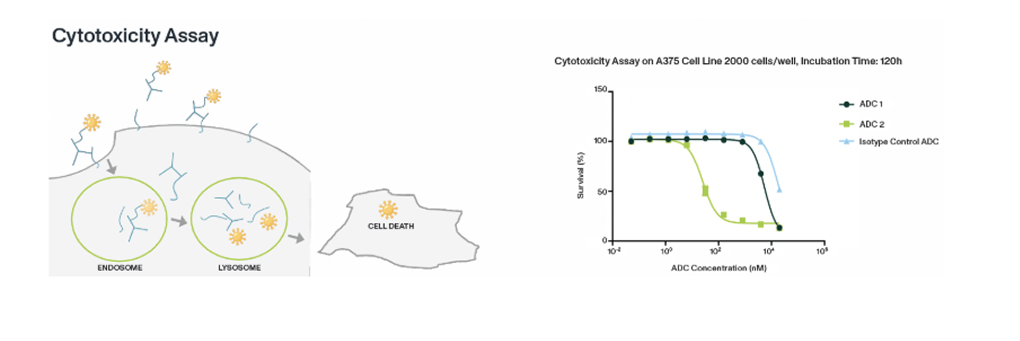
Cytotoxicity Assay
Measure target-dependent cell killing across concentration ranges to quantify ADC potency, selectivity, and functional activity.
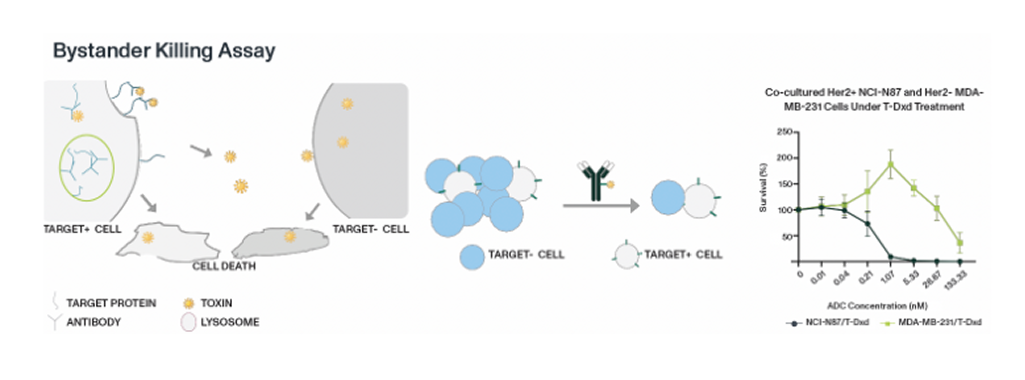
Bystander Killing Assay
Evaluate payload-mediated killing of neighboring antigen-negative cells to characterize bystander effects and potential activity in heterogeneous tumors.
Plasma Stability Assay
Assess Linker Stability and Payload Release Risk Early
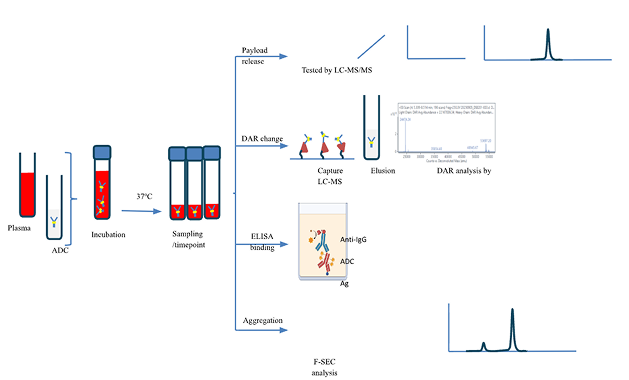
ChemPartner’s plasma stability assays help assess premature linker cleavage and early payload release risk before in vivo studies. These studies support linker-payload optimization by monitoring ADC stability, DAR change, binding retention, and payload release behavior under relevant plasma conditions.
Assessment Readouts
Monitor linker integrity, payload release, DAR, aggregation, and binding retention across relevant plasma conditions to identify stability risks early.
Plasma Stability Workflow
Incubate ADCs in relevant plasma matrices and monitor payload release, DAR change, aggregation, and target binding over time using LC–MS/MS, LC–MS, SEC, and ELISA-based readouts.
In Vivo & DMPK/Tox
Advance promising ADC candidates with in vivo pharmacology, bioanalysis, DMPK evaluation, and exploratory toxicology support.
In Vivo Pharmacology and Efficacy
Translational Models for ADC Efficacy and Combination Strategy
ChemPartner provides in vivo efficacy support across CDX, PDX, syngeneic, orthotopic, metastatic, and disseminated tumor models. Our in vivo pharmacology platform helps evaluate antitumor activity, dose response, combination potential, tolerability, and PK/PD relationships to support preclinical decision-making.
Model Capabilities
Evaluate ADC efficacy, dose response, tolerability, and PK/PD relationships across translational tumor models to guide candidate selection and combination strategy.
In Vivo Efficacy
ADC and Anti-PDI Combination
DMPK & Exploratory Toxicology
De-Risk ADC Candidates Before IND-Enabling Development
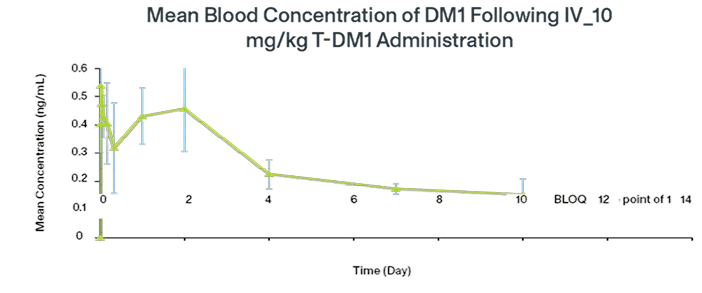
ChemPartner provides integrated bioanalytical and DMPK support to characterize total antibody, conjugated antibody, free payload, stability, DAR changes, and exposure-response relationships. These studies help assess systemic exposure, payload release, and early translational risk before IND-enabling development.
Key Capabilities
Assess ADC exposure, payload release, metabolism, and clearance across relevant species to inform PK/PD modeling and early safety decisions.
Target-Mediated Clearance in Cynomolgus NHP
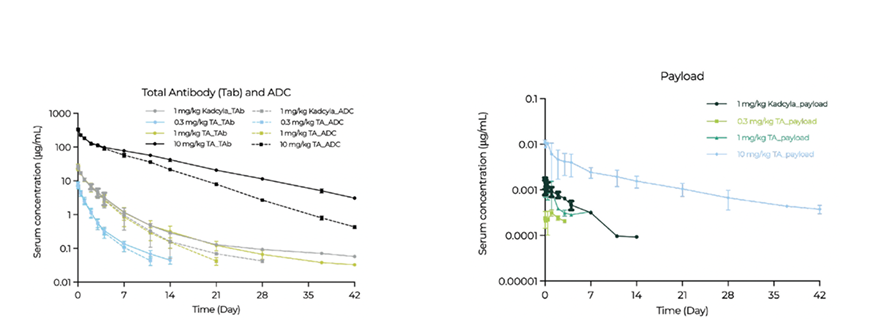
Loreum ipsum
ADC Bioanalysis
Quantitative and qualitative bioanalysis for complex ADC programs
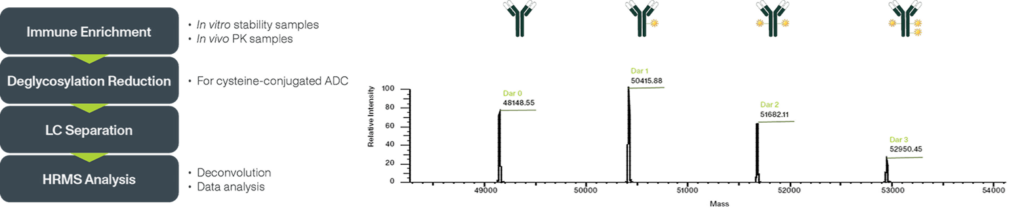
ChemPartner provides ADC bioanalysis services to measure the critical components that define ADC exposure, stability, and pharmacological behavior. This includes free payload, conjugated antibody, total antibody, DAR value changes, and payload-related metabolites.
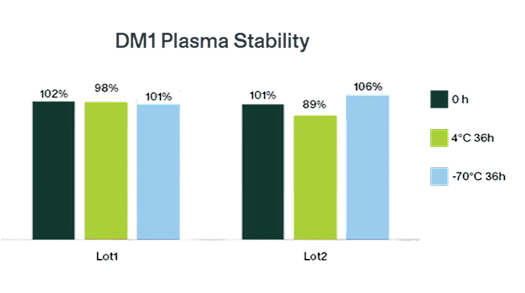
Formation of DM1-NEM prevents further reaction of fee thiol and enables reliable quantitation of DM1
CMC/GMP Bridge
Connect discovery-stage ADC work with development, scale-up, formulation, and GMP-ready support through an integrated CRO/CDMO model.
CMC and GMP Bridge for ADC Programs
From Discovery CRO to Development and Manufacturing Partner
For programs advancing beyond discovery, ChemPartner provides end-to-end CMC and manufacturing support to reduce handoff risk as candidates move toward IND-ready stages.
CMC and manufacturing support
Advance Your ADC Program with an Integrated CRO/CDMO Partner
Whether you are validating an early ADC concept, optimizing linker-payload design, comparing conjugation strategies, screening candidates, or preparing for translational development, ChemPartner provides the integrated expertise to support your next milestone.